
Claws Through the Decades: The Evolution of the Acrylic Nail By Indigo Mapa

I remember my first set of gel acrylic nails; it was 2019, and I was attending a concert at the Rose Bowl in Pasadena. I had gone with a light pink set with a glitter accent on the ring finger. I vividly remember taking pictures and videos of my almond-shaped nails because I was so ecstatic to hop on the acrylic nails bandwagon. Nails have always been a way for me to express myself stylistically. There was a feeling of completeness when I had nails to match every outfit and every mood.
Acrylic nails are more than a beauty trend; they are the result of centuries of artistry, expression, innovation, and cultural identity. They date back to ancient civilizations to modern-day salons, the evolution and journey of nail art reflects how technology has progressed with personal style.
The origins of nail decoration go back thousands of years, so far back that archeologists have found nail art on Egyptian mummies. Ancient Egyptians utilized henna, early Chinese societies created nail polish from natural ingredients (beeswax, egg whites, flower dyes, etc.), and grew their nails out. These traditions meant more than making their nails look beautiful; these were signs of wealth and status, specific colors would correlate to certain beliefs and represent what they stood for.

But who do we have to thank for inventing THE acrylic nail? In the 50s (specifically 1954), dentist Frederick Slack accidentally broke one of his nails during a procedure. To fix the situation, he brilliantly used dental acrylic to create a natural-appearing nail. With his brother, Tom Slack, they created a product and process to appeal to the beauty industry. The acrylic nail became an enhancement and accessory that could be painted, decorated, and applied for aesthetic and practical purposes. By the 70s, the beauty industry had completely commercialized acrylic nails, producing a customizable choice for nail enhancements. The application of acrylic nails then evolved into a mixture of liquid monomer and powder polymer, hardening the acrylics into a sturdy protective layer that could be sculpted into any desired shape and length.
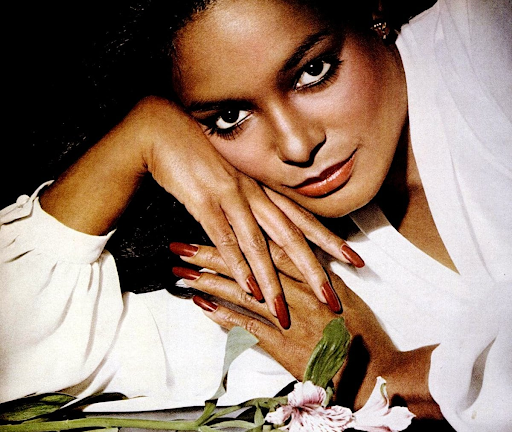
As acrylic nails grew with popularity and advancements, so did their cultural significance. They became prevalent in the African American community. Icons such as Josephine Baker, Diahann Caroll, Donyale Luna, Donna Summer, and Diana Ross innovated the acrylic nail and helped create spaces of creativity and empowerment for women through the wear of acrylic nails. They brought these artistic nails into the spotlight, mixing fashion with visibility and subverting traditional norms.
Today, acrylic nails have become a global phenomenon, and materials and techniques are constantly changing and growing. Now, acrylic nails have become more natural-looking and versatile. The process has also become accessible to do at home, allowing anyone of any caliber to do their own set of nails. From minimalist designs to bold 3D art using glitter, gems, and intricate paintings, acrylic nails continue to push against the boundaries of artistic beauty.

By Indigo Mapa

0 Comments
There are no comments yet. Be the first one to post one!