
Pre-Packaged Identities By Cameron Covert
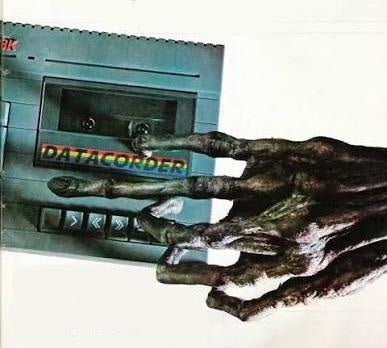

Last week, I looked at ways to step away from the digitally constructed wardrobe. But this week, I want to zoom out beyond the fog and start to think about just how far the cold fingers of the algorithm reach to mold our everyday lives, our interests and personas.
It’s more than just clothes. Our feeds hand us pre-made personalities. They standardize all the things we think make us unique: our taste in music, books, even the most obscure hobbies. The real challenge is that we usually aren’t even aware of the scope of its influence.
This isn’t to say the algorithm doesn’t uncover incredible things, but it is built to keep you fed into its loop. It makes it easy to look only at what’s right in front of us instead of going out and digging through bins and shelves, or pursuing new interests by our own inclination. By bundling similar media into a ready-made taste profile, the algorithm creates a false sense of originality that feels shockingly real.
Take music as an example. Before I could afford Spotify, my listening was limited to what I could find on Bandcamp or YouTube, and at local shows and record stores. While those outlets aren’t without some pre-packaging, the scope is less expansive. That limitation is what forced me to chart my own pathways by following scene connections, tracking down side projects, finding bands that were covered by other artists I liked, as well as recommendations from artists themselves. Those are all channels built by real people and intentionally picked through by the listener.
When I eventually leaned into the convenience of Spotify, it initially opened up some cool pathways to artists similar to the ones I’d found on my own. Over time though, I realized I had to fight to keep the platform from prioritizing its own recommendations over the artists I was actively seeking. I had to manually exclude certain artists from my taste profile to filter out the copy-paste bands, which were pushed on me simply because of a digitally crafted “aesthetic proximity” to my interests rather than anything of real substance.
Most people don’t fight those recommendations, and not because they lack taste. But weeding out an algorithm can be exhausting and time-consuming. Besides, the recommendations are convincing. Much of the music it pushes has a similar sound to other artists you love, but often without the same soul or authenticity. Still, realizing that a recommendation wasn't a great fit didn't necessarily keep me from listening. It just meant I was less engaged, letting it play passively in the background. I’m aware that people enjoy background music to focus, but consider how this same passive attachment applies in all other areas of our identities: what we wear, how we talk, the hobbies we spend time on.

It makes sense. Adopting a pre-made persona is easier. It makes you instantly legible to strangers, your identity recognizable at a glance. Building an aesthetic, and a self, from scratch takes real effort, and you run the risk of collecting all these precious, disparate pieces of yourself only to find it harder to meet people who relate.
But if our individuality becomes automated, at what point is it still ours? At what point are we still choosing who we are instead of being assigned a persona?
I’m not saying we should all get off the internet. It’s still an unbelievable resource for expanding our inspirations, but it should be treated as one of many tools for discovering the pieces that make us who we are. Reclaiming that individuality requires actively seeking things out the hard way to distinguish between our genuine passions and the pre-packaged identities being pushed in our faces.

0 Comments
There are no comments yet. Be the first one to post one!