
The Structure and Style of the 1950s by Ava DeLaOssa
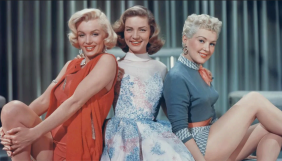

The new fashion of the 1950s can be defined by its unique structure. After the rationing of fabric and the uniforms of World War II, the 1950s released a wide expression of luxury, feminine shapes, and deliberate elegance. It was a decade of fashion where clothing was purposefully put together. The image of this decade of fashion was created in 1947 by Christian Dior in his debut collection labeled as the “New Look.”
Dior’s vision got rid of the boxy, padded shoulder look of the 1940s and replaced it with an exaggerated hourglass figure. Shoulders were unpadded and sloped, a cinched-in waist, and a voluminous skirt that often required yards of petticoat in order to hold its shape.

While the full swing skirt is what most people picture when they think of the 1950s, everyday style for women was actually split into two distinct styles. The Swing Skirt was made of circles of heavy fabric. It was often made of felt or wool that flared out dramatically from the tightly belted waist. These skirts were feminine and playful, making them perfect for dancing.

The Sheath (or Wiggle) dress was more of a sophisticated look. It was the more shaped and elegant alternative. Tailored to hit just below the knee, the sheath dress emphasized a narrow silhouette. The dress was neat and graceful, restricting stride, giving it its nickname “wiggle dress.”

Despite the era’s emphasis on feminine dresses, the 1950s marked a major turning point for women’s trousers as everyday sportswear. While still considered inappropriate for formal settings, such as church or school, pants became a staple for home entertaining and casual outings. High-waisted pants, also known as cigarette pants, were slim fitting trousers that tapered sharply at the ankle. It became a very popular style especially when covered in playful plaids or deep velvets. Calf-length capri pants and cropped pedal pushers became a summer essential. They were frequently paired with sleeveless button-downs or tucked in knit tops for a chic, youthful look popularized by stars like Audrey Hepburn and Marilyn Monroe.

The 1950s also marked the birth of the “teenager” as a distinct social group with its own economic power and dress code. For young women, fashion became more casual outside of school or formal events. This was an era of the novelty applique circle skirt. Most famously, the poodle skirt which was originally created by the designer Juli Lynne Charlot. Teens paired these wide, felt skirts with snug, short-sleeved cardigans, white bobby socks, and leather saddle shoes.

In the 1950s, no woman was fully dressed without accessories. Matching styles became an art form. A woman’s handbag was expected to coordinate perfectly with her shoes, and wearing a pair of sleek, white gloves was standard etiquette whenever leaving the house. Hats ranging from tiny pillboxes to wide-brimmed straw saucers topped off many looks. Cat-eye glasses added a sharp and angular look to the face. Ultimately, women's fashion of the 50s was a beautiful yet brief moment of deliberate glamour before the Civil Rights Movement brought messages to fashion and the youth stripped away the structure of the 1950s.


0 Comments
There are no comments yet. Be the first one to post one!