
Making a Ballet Influencer Blogpost: By Trinity Oros
Making a Ballet Influencer Blogpost:
By Trinity Oros

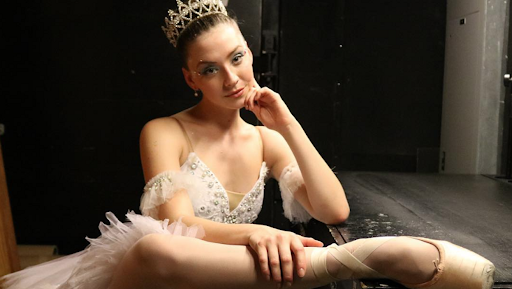
Dancer: Luna Montana
Intro:
It seems every time someone goes on social media, there is an influencer ever other video. It has almost become a new rule of the internet: If there is a niche where people will watch, there is an influencer to tell you about it, and most importantly, to sell you something. From transplant NYC vloggers, fitness, finances, the “clean girl”, and now, ballet. People have been finding what was inaccessible is now available to them on the internet. Ballet is known to be an exclusive community, and what was seen on the stage was hard to watch in rehearsals with the more “human” side of the ballet world.
Defining an Influencer:
Much of what defines someone as an influencer, is someone who posts online, has a larger following, and gets money from brand deals and posting on social media. In order to market yourself as an influencer, it requires you to build a brand as a person and target a niche to post about. Someone who is a “lifestyle influencer” will often struggle because the niche is too general. There needs to be a specific, smaller audience to target to actually find something specific that someone will ask questions about and want to watch.
What makes it a target audience
If anyone as seen a survey, or a study, there is a target population. This creates the “sample” of what part of the population is being portioned. This smaller population influences the result of the study. Someone who is trying to target “everyone” as their audience is harder to develop since the population is larger, and having that of interest to the general population say “this is different from everything else I watch” is less likely.
However, a ‘fashion influencer’ is much easier to target people who have an interest in clothes, styling, street fashion, or high fashion and allows someone to post about an interest that they have all while also being able to promote brands related to that industry, and get involvement from their followers who have that same interest.
Ballet is a smaller niche, as the audience may consist of someone who did ballet growing up, is taking classes as an adult, or generally has an interest in it. This creates the target audience that an influencer and different brands are looking for, and this is part of two different waves: the Ballet-core aesthetic, (which is broken down in this article) and the barrier of the exclusive culture that ballet has had for centuries. Ballet influencers break that barrier. What was harder to hear about the behind the scenes is now offered by the people who are involved into the world who are posting publicly and answering more questions in an accessible way online.

Dancer: Isabella Boylston
Evolving to a larger audience
This equation is exactly how ballet influencers were able to reach a larger, and general audiences, because after targeting a niche market and building a following, they are able to post about trends and answer questions that extend to general audiences through different algorithms and onto personal feeds. Once an influencer’s targeted demographic has been achieved, they can now find what other interests their audience has that is similar to their main source of content. From there, they can go into fashion, health, and other branches of life that they may be interested in. This not only helps target more people, but it also creates new content so that their posts are not repetitive.
They now have more availability to how they influence their audiences, and what brands they can work with. They can now show their audience other niches to try, as well as promote different products within that niche.
Influencers ultimately have to create a brand for themselves to become an ambassador for other brands. Much of what they do are linked into business and marketing strategies.
For ballet influencers in particular, they are breaking the mold of what ballet dancers can be, as the behind-the-scenes ballet is carefully curated and has notoriously lacked a work-life balance. The current rise shows the evolving nature of creative industries as well as made ballet more popular because of its heightened accessibility.

0 Comments
There are no comments yet. Be the first one to post one!