
The Decade of the Feed: How the 2010s Redefined Women’s Style by Ava DeLaOssa
By Ava DeLaOssa

The years spanning from 2009 to 2019 represent such an interesting time for fashion. Fashion taste migrated from traditional print editorials and runway circuits to the hands of internet subcultures and digital feeds. Driven by the rapid ascension of platforms like Tumblr, Pinterest, and Instagram, fashion evolved from a top-down industry into an interactive, cultural conversation.
Over these ten years, women’s wardrobes underwent a complete philosophical shift. Moving away from the hyper-fitted, body-conscious silhouettes of the late 2000s toward an era defined by functional athleisure, high-end streetwear, and nostalgic archival revivals.

The dawn of the decade emerged from the tail end of the 2000s indie sleaze scene, defined by an unpolished, eclectic approach to dressing. Guided by early digital culture, most notably early street-style blogs and Tumblr dashboards. Fashion was chaotic, layered, and intentionally lived-in.

The indie/hipster uniform consisted of high-waisted denim shorts worn over sheer black tights, peplum tops, patterned leggings, sheer high-low maxi skirts, and chunky knit cardigans. Isabel Marant wedge sneakers served as the definitive luxury footwear of the era, alongside Steve Madden combat boots and classic leather ballet flats. Alongside using subcultures for inspiration, festivals like Coachella helped direct mainstream summer styling, bringing fringe, crochet, and floral crowns into popularity.

By mid-decade, the widespread adoption of Instagram permanently altered daily personal styling. Outfits were increasingly conceptualized to be photographed, leading to cleaner lines, coordinated color palettes, and deliberate minimalism.
During this decade, there came a rise of functional casualwear. Activewear officially leaped into daily casual wardrobes. Lululemon leggings, Adidas track pants, crop tops, and structured sports bras paired with tailored coats established a new baseline for effortless off-duty dressing.

There was a counter-movement to hyper-consumerism that emerged into an aesthetic of celebrating non-descript, ultra-ordinary basics. Plain crewneck tees, straight-leg jeans, Birkenstocks, and pristine white Adidas Stan Smither or Superstar sneakers became international staples. Alongside this minimalistic fashion, high-waisted denim officially replaced low-rise cuts, creating a structural silhouette that dominated the remainder of the decade when paired with cropped knits or tucked-in bodysuits.

The closing years of the 2010s saw the total convergence of traditional luxury fashion houses and skate/streetwear culture. Guided by creative directors such as Virgil Abloh of Off-White and Alessandro Michele of Gucci, fashion adopted a maximalist tone.
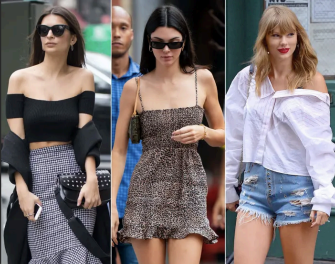
With luxury fashion houses becoming even more popular, prominent branding returned. Graphic Gucci logo tees, Off-White industrial yellow belts, and head-to-toe monogrammed accessories became the ultimate status symbol. But with this rise in luxury branding, nostalgic looks from the previous two decades made a comeback. Velvet chokers, slip dresses layered over white crewnecks, matrix-style micro sunglasses, and bike shorts styled under oversized blazers dominated street style.

Looking back, the 2010s dismantled traditional dress codes more thoroughly than almost any previous decade. By prioritizing personal branding, comfort, and cross-genre mixing, the era established a flexible fashion landscape where activewear, high luxury, and vintage archival pieces could sit seamlessly alongside one another in a single outfit.
0 Comments
There are no comments yet. Be the first one to post one!