
The Origins of Streetwear: From Subculture to Mainstream Fashion
What Are the Origins of Streetwear?
Streetwear is everywhere now.
Supreme sells for luxury prices. Vintage tees get hunted down like collectibles. Fashion houses borrow from skate culture. Sneakers sell out in minutes. And half the stuff that once would've gotten you side eyed at a nice restaurant is now walking down a runway.
But streetwear didn't start on a runway.
It came from people making something out of what they already had.
Before Streetwear Had a Name
There isn't one person, city, or brand that invented streetwear.
That's kind of the point.
What we call streetwear today came out of different scenes happening at the same time. Hip-hop and graffiti in New York. Surf and skate culture in California. Punk and DIY. Sneakers. Sportswear. Workwear. Club culture.
These scenes looked different, but they had something in common: people were using clothes to show who they were and who they were with.
In New York during the late '70s and early '80s, hip-hop was becoming its own visual language. Tracksuits, sneakers, leather jackets, Kangol hats, gold chains and customized pieces weren't just clothes. They said something about where you were from, what crew you ran with and how you wanted to be seen.
At the same time, something different was happening on the West Coast.
Surfing and skateboarding had their own uniforms, graphics and DIY attitude. Brands didn't need to come from a fashion house. A logo on a board, a hand-drawn graphic or a T-shirt sold out of the back of a car could become part of the culture.
That's where Shawn Stüssy enters the story.
Stüssy Before Streetwear Was "Streetwear"
In the early 1980s, Shawn Stüssy was shaping surfboards in Laguna Beach and signing them with the hand drawn signature that would eventually become one of the most recognizable logos in streetwear.
He started putting that same signature on T-shirts.
The shirts took off.
It sounds normal now because basically every creative project eventually makes a tee. At the time, though, Stüssy was helping establish a model that would become central to streetwear: take something authentic to a subculture, put it on clothing and let the people inside that culture decide whether it matters.
Stüssy eventually moved far beyond surfing.
Skaters wore it. DJs wore it. Hip-hop artists wore it. People in New York, London and Tokyo wore it.
The International Stüssy Tribe connected creatives across cities before you could just follow somebody on Instagram. Streetwear was becoming global through actual communities, shops, music, magazines, parties and people passing things to each other.
Meanwhile, New York was developing its own version of the story.
Harlem Was Remixing Luxury Before Luxury Wanted Streetwear
In 1982, Dapper Dan opened his famous boutique in Harlem.
What happened there deserves way more attention in the history of streetwear.
Dapper Dan took the logos and visual language of luxury houses like Gucci and Louis Vuitton and turned them into completely new pieces for rappers, athletes and people in the neighborhood.
These weren't quiet luxury fits.
They were loud on purpose.
Jackets, tracksuits and custom pieces covered in designer monograms transformed European luxury into something that belonged to Harlem.
The luxury houses weren't exactly thrilled about it at the time.
Which makes what happened decades later pretty ironic.
Eventually, the same fashion establishment that fought to keep street culture away from its logos would start fighting to get streetwear into its collections.
But we're getting ahead of ourselves.
Then the '90s Happened
By the 1990s, the different worlds surrounding streetwear were starting to collide harder.
Hip-hop was exploding. Skateboarding was growing. Sneaker culture was becoming more serious. Workwear brands were being adopted outside of the jobs they were designed for. Japanese designers and collectors were obsessing over American clothing and then remixing it through their own perspective.
And some of streetwear's biggest names were about to appear.
Nigo launched A Bathing Ape, better known as BAPE, in Tokyo in 1993.
A year later, James Jebbia opened Supreme on Lafayette Street in New York.
Supreme was built around skateboarding, but it never stayed inside that box. Art, music, photography, New York culture and fashion all ended up inside the brand's world.
BAPE was doing something similarly interesting in Japan, combining American pop culture, hip-hop, sneakers, bold graphics and limited availability into something completely its own.
That scarcity mattered.
Streetwear started teaching people that the fact that not everyone could get something was part of why people wanted it.
Sound familiar?
Streetwear Goes Online
Before Instagram, TikTok and sneaker resale apps, finding this stuff actually took work.
You learned about brands through friends, magazines, record stores, skate shops, boutiques, music videos and traveling. If something was only available at one shop in Tokyo or New York, you might genuinely have no way to get it.
Then the internet changed everything.
Forums, blogs and online stores connected people who had previously existed in separate scenes. A kid thousands of miles away could suddenly discover what people were wearing in Harajuku, London, Los Angeles or New York.
By the 2000s, sites like Hypebeast were documenting releases and turning previously niche brands into global obsessions.
Then social media poured gasoline on it.
Now everyone could see the drop.
Everyone could see who got it.
And everyone could see what it was reselling for.
Streetwear wasn't underground anymore.
When Luxury Came Calling
For years, traditional fashion treated streetwear like something happening outside the "real" industry.
Then it became impossible to ignore.
Streetwear had the audience. It had the musicians. It had the athletes. It had the sneaker culture. Most importantly, it had something traditional fashion couldn't manufacture overnight:
cultural relevance.
High-fashion collaborations started becoming increasingly common. Sneakers became luxury products. Hoodies appeared on runways. Designers who grew up inside street culture started taking some of the biggest jobs in fashion.
Then, in 2017, Supreme collaborated with Louis Vuitton.
Think about how strange that is historically.
Decades earlier, Dapper Dan had been taking Louis Vuitton's visual language and remixing it for hip-hop clients in Harlem without the company's permission.
Now one of the biggest luxury houses in the world was officially putting its monogram next to a skate brand's logo.
Streetwear didn't suddenly become legitimate because luxury fashion approved of it.
Luxury fashion finally admitted how influential streetwear had become.
So What Is Streetwear Now?
That's harder to answer.
Streetwear isn't really one aesthetic anymore.
It can be a vintage NASCAR tee, beat-up Carhartt jacket and old pair of Vans. It can be a $900 hoodie. It can be Japanese denim, a local skate-shop tee, a pair of Jordans or something somebody screen-printed in their garage last night.
The clothes changed.
The idea underneath them really hasn't.
Streetwear has always been about people taking the things around them and making those things mean something different.
Surf kids did it.
Skaters did it.
Hip-hop did it.
Punk did it.
Harlem did it.
Tokyo did it.
And every generation after them keeps doing it.
Maybe that's why streetwear has been so difficult for traditional fashion to define.
It was never really waiting for fashion's permission in the first place.
Streetwear is more than just a style of clothing; it’s a cultural movement that has transformed the fashion industry. Characterized by its casual, comfortable, and often bold designs, streetwear has roots that run deep into various subcultures and historical contexts. Understanding the origins of streetwear provides insight into how this once niche style evolved into a global phenomenon embraced by fashion enthusiasts of all ages.
The Birth of Streetwear in the 1970s and 1980s
The origins of streetwear can be traced back to the 1970s and 80s in the United States, particularly in the bustling cities of New York and Los Angeles. During this time, several influential subcultures began to emerge, each contributing to the development of streetwear in its unique way.
Hip-Hop and Skateboarding Culture
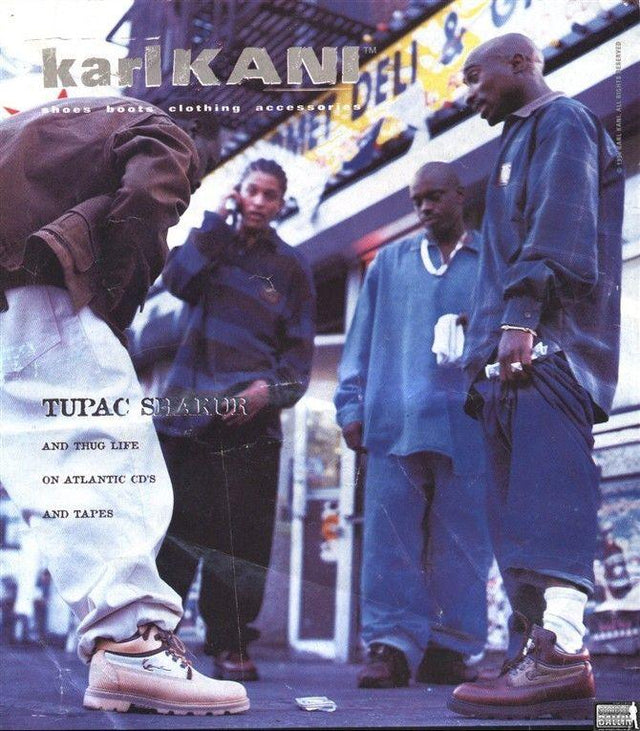
In New York City, the burgeoning hip-hop scene played a pivotal role in shaping streetwear. Hip-hop artists and enthusiasts adopted a distinctive style that included baggy jeans, oversized t-shirts, sneakers, and flashy accessories. Brands like Karl Kani, Dapper Dan, Adidas and Nike became integral to the hip-hop look, with iconic sneakers such as the Adidas Superstar and Nike Air Force 1 becoming symbols of status and identity within the community.
Simultaneously, on the West Coast, the skateboarding culture in Los Angeles was cultivating its own aesthetic. Skaters needed practical, durable clothing that allowed for freedom of movement, leading to the popularity of brands like Vans, which provided sturdy footwear, and Thrasher, which became synonymous with skate culture. The DIY ethos of skateboarding also influenced streetwear, as skaters often customized their clothing and gear, adding a personal touch that became a hallmark of streetwear fashion.
The Rise of Streetwear Brands
The 1980s saw the emergence of the first wave of dedicated streetwear brands, which began to blend elements of hip-hop, skateboarding, punk, and surf culture into their designs. Shawn Stussy, a former surfboard shaper, started selling screen-printed t-shirts with his signature in Laguna Beach, California, in the early 80s. His brand, Stüssy, is often credited as one of the pioneers of streetwear, combining surf culture with the edgy, urban style that defined the era.
Around the same time, other brands like Supreme and A Bathing Ape (BAPE) began to gain traction. Founded in 1994 in New York City, Supreme initially catered to the skateboarding community but quickly became a cultural icon, known for its limited releases and collaborations with artists and other brands. BAPE, founded in Japan by Nigo in 1993, brought a unique perspective to streetwear, infusing it with Japanese pop culture and high fashion influences.
Streetwear's Global Expansion
As the 1990s and early 2000s rolled in, streetwear continued to evolve and expand globally. The internet and social media played significant roles in spreading streetwear culture beyond its American roots. Japanese streetwear, with its meticulous attention to detail and high-quality craftsmanship, began to influence Western brands, while European cities like London and Paris started developing their own streetwear scenes.
Collaborations between streetwear brands and high fashion houses further legitimized streetwear in the eyes of the broader fashion industry. When Louis Vuitton collaborated with Supreme in 2017, it marked a turning point, solidifying streetwear’s place in the luxury market. This fusion of high fashion and street culture led to the birth of the “luxury streetwear” trend, which continues to dominate runways and retail stores worldwide.
Conclusion
From its humble beginnings in the subcultures of hip-hop and skateboarding to its current status as a global fashion powerhouse, streetwear has come a long way. It’s a testament to the power of grassroots movements and the influence of cultural expression through clothing. Today, streetwear is not just a style but a lifestyle, representing a blend of authenticity, creativity, and rebellion against the mainstream. As it continues to evolve, one thing remains clear: streetwear is here to stay, forever shaping the landscape of fashion.
0 Comments
There are no comments yet. Be the first one to post one!