
WHY VINTAGE STILL MATTERS By Stephanie Alvarez
By Stephanie Alvarez

There is a different feeling when it comes to finding a piece of clothing that has already lived a life. Maybe it is a perfectly worn leather jacket, a faded concert tee, or a pair of jeans that fits in a way newer denim never seems to. Vintage clothing can feel personal before it even becomes ours; a part of the appeal is the search. Shopping vintage is rarely as predictable as walking into a store and finding the same item in every size. You have to look, touch the fabric, check the seams, and imagine how the piece could fit into your own wardrobe. The process makes getting dressed feel creative again.
MORE THAN AN OLD LABEL
Vintage is not valuable simply because it is old. What makes a piece interesting might be its construction, its unusual details, the era it reflects, or the fact that it survived long enough to reach another owner. Small signs of wear can become part of the garment’s character instead of something that immediately needs to be hidden.
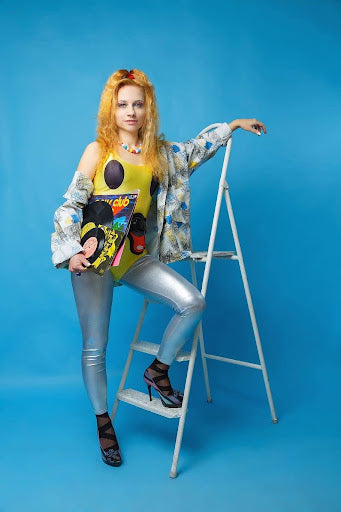
That history also gives people room to create something new. Wearing vintage does not have to mean recreating an entire decade from head to toe. A person can pair an older jacket with modern sneakers, alter a dress, or style a classic piece in a completely different way. The past becomes material for personal expression rather than a costume.
WHEN SECONDHAND BECOMES A TREND
Of course, vintage is now part of the trend cycle too. Thrift hauls, resale apps, and carefully curated vintage stores have made secondhand fashion more visible. That visibility can be exciting because more people are open to wearing used clothing. It can also change the experience when affordable pieces are bought in bulk, marked up, and resold as rare finds.
The point is not that reselling is automatically bad. Curating, cleaning, repairing, photographing, and sourcing clothes all take work. The more interesting question is whether vintage culture can grow without losing the sense of access and discovery that made people love it in the first place.
VINTAGE IN THE AGE OF THE ALGORITHM
That question feels especially important now. Online fashion moves through microtrends so quickly that no single decade seems to have one defining look. Instead, our feeds mix references from different eras and subcultures, turning them into something new and often short-lived.
Vintage can slow that cycle down. Wearing an older piece is not only about copying the past; it can show curiosity about the music, community, or cultural moment that shaped it. At the same time, a vintage label does not automatically make a purchase sustainable. The piece matters most when it is worn, cared for, repaired, and kept in circulation rather than treated as another disposable trend.
BUYING WITH INTENTION—WITHOUT KILLING THE FUN
Vintage fashion is often connected to sustainability, but the subject does not need to become a guilt trip. Buying secondhand is not a perfect solution, and buying more vintage than we will actually wear still creates clutter. A simpler approach is to slow down long enough to ask whether a piece fits our life, not only the mood of the moment.
That might mean choosing one jacket we will wear for years, repairing a favorite pair of pants, or learning how to restyle what we already own. The goal is not to have the most impressive vintage collection. It is to build a wardrobe that feels considered, useful, and genuinely ours.
THE STORIES WE KEEP
Vintage still matters because clothing does not become meaningless when its first owner is finished with it. A garment can move through different lives, cities, and identities while collecting new memories along the way. In a culture obsessed with what comes next, vintage reminds us that something need not be new to feel exciting. The best vintage pieces do more than reference the past. They become part of the present the moment someone chooses to wear them differently, and they give us another way to imagine what fashion’s future could look like.
SOURCES & FURTHER READING
U.S. Environmental Protection Agency — “What You Can Do”
Ellen MacArthur Foundation — “A New Textiles Economy: Redesigning Fashion’s Future”
Victoria and Albert Museum — “Pollution: The Dark Side of Fashion”
0 Comments
There are no comments yet. Be the first one to post one!