
The Politics and Protests of 1960s Women's Fashion by Ava DeLaOssa
The Politics and Protests of 1960s Women's Fashion by Ava DeLaOssa

The 1960s was a decade of profound social and political upheaval in the U.S., and nowhere was this cultural revolution more visibly expressed than in women’s fashion. The era shattered long-held conventions, transitioning from the conformed elegance of the post-war 1950s into a vibrant landscape of style. Far from just aesthetics, these changes were direct responses to impactful historical events such as the Civil Rights Movement, the Space Race, the Second-Wave Feminism, and the Vietnam War.
The decade opened with a continuation of 1950s modesty, but with a cleaner, and more streamlined silhouette. The primary fashion icon of this transitional period was First Lady Jackie Kennedy. Her era of style was often labeled as “Camelot.” When JFK was inaugurated in 1961, the nation looked toward a sophisticated, forward-thinking future. Jackie Kennedy’s perfectly tailored box jacket suits, pillbox hats, and geometric A-line dresses became the national standard. Women across the country emulated her look.

By the mid-1960s, the “Youthquake” movement, driven by the baby boomer generation coming of age. They shifted the focus of fashion from the high-society elite to the streets. The British Invasion brought London’s “Mod” subculture to the United States, but it was domestic social shifts that cemented its impact.
The emergence of the Second-Wave Feminist movement drastically altered women’s lives. For the first time, a massive wave of young women gained bodily autonomy and career independence. This liberation found its visual match in the miniskirt, popularized by designer Mary Quant. Hemlines moved to the upper thigh, a large movement that symbolized freedom from the restrictive maternal expectations of the 1950s. Traditional stockings were replaced by colorful, patterned tights and patent leather go go boots.

Simultaneously, the Cold War and the escalating Space Race between the US and the USSR captivated the public imagination. As NASA’s Apollo program dominated the evening news, “Space Age” fashion took off. Designers utilized futuristic, synthetic materials like vinyl, PVC, and acrylics. Simple shift dresses featured bold geometric patterns, metallic silver hues, and neon color-blocking, reflecting society’s obsession with a high-tech future.

As the decade drew to a close, optimism gave way to intense political friction. The escalating Vietnam War and the draft sparked large anti-war protests, while the Civil Rights and Black Power movements fought systemic racial injustice. Fashion became a canvas for political resistance.
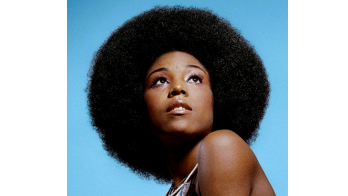
The “Black is Beautiful” movement encouraged African American women to reject Eurocentric beauty standards. Many abandoned chemical straighteners to wear their hair in natural Afros, pairing them with traditional African textiles, dashikis, and bold geometric jewelry to reclaim and celebrate their cultural heritage.


Meanwhile, the hippie counterculture rejected the commercialism of the military-industrial complex. The slick synthetic futuristic look of the mid 60s was entirely replaced by organic anti-establishment styles. Young people turned away from mass produced department store clothing, opting for thrifted, handmade pieces. Long, flowy maxi dresses and peasant blouses fell into style. These pieces were made in earthy, utilitarian textures like denim, suede, and fringe. Tie-dye patterns, paisley prints, and military surplus jackets were worn ironically with peace signs. The period also witnessed a large milestone in gender equality. As women marched for equal rights, they sported bell-bottom jeans, hip-huggers, and tailored pantsuits, making a permanent functional shift toward comfort and societal equality.


The 1960s permanently altered the relationship between women and their clothing. By breaking away from rigid social dress codes in response to the historical movement around them, the women of this era proved that fashion was not merely entertainment, but a powerful tool for social change and political liberation.

0 Comments
There are no comments yet. Be the first one to post one!