
The Celebrity Artist Problem By Georgia Stewart
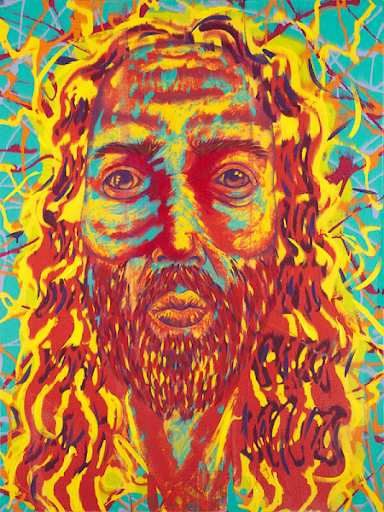
When an established celebrity announces their entrance into visual art practice, the response of the public and the rest of the art world is strangely very predictable. Celebrity art often receives immediate exhibitions, buyers, and press coverage, regardless of whether or not they have previously been recognized as visual artists. It's understandable that this attention would cause resentment from other artists who maybe have spent years trying to reach the same opportunities. Its possible that many viewers are not analysing the art itself, but just the celebrity who made it. Celebrity art has become controversial because it makes the connection between fame, artistic value, and marketability uncomfortably visible.

Jim Carrey, Electric Jesus, 2017
Most visual artists must go through schooling, commissions, underappreciated work, and trial and error to get to a version of artistic success. Alternatively, celebrities who decide to start making and selling art get immediate recognition and attention. They have an immediate audience and immediate institutional recognition, which takes many other artists years to achieve, no matter the skill level. Celebrities’ existing fame creates interest before anyone even sees the art, making their artistic careers feel less like creative development and more like an extension of their personal brand. This resentment is especially understandable when considering that these opportunities could have gone to lesser-known artists with fewer resources who may have a more developed practice.
Celebrity not only comes with lots of attention, but it can also often be sold for very unusually high prices. It is possible that many collectors are purchasing this art for the opportunity to own something made by the specific celebrity rather than for its visual qualities. This makes the art feel more like celebrity memorabilia, where an ordinary object becomes important because of its connection to someone famous. In this, the celebrity's identity becomes almost like a medium, even if it's not visually represented in the piece. The work cannot be evaluated without the identity of the artist because that is often where the majority of the market value comes from.

Johnny Depp, Bob Dylan, 2022
Celebrity influence is not as foreign to the art world as many critics want to believe or admit. Established artists also develop recognizable identities, narratives, signatures, and brands. Knowledge of an artist's reputation and history is a large part of how many viewers interpret, analyze, and value a work of art. Some well-known artists may have simple process sketches sold for extremely high prices just due to the person who held the pencil. It is unlikely that an unknown artist would have received the same attention if they had created an identical work. Celebrity artists do not introduce the idea of fame into the art world; they just arrive with it already established.
There seems to be an assumption that celebrities must prove their dedication to art before they can be considered “true” artists. It's unclear what kind of evidence these audiences might expect. It could be formal education, technical ability, years of practice, exhibitions, or maybe even stereotypical artist personal struggle. Outside of this, the contemporary art world often rejects rigid qualifications to be considered an artist, particularly the idea that someone needs academic training to create legitimate art. Why is moving from music or acting into visual art treated as suspicious when established artists are encouraged to move across media? Recognizing this double standard does not erase the privilege that celebrity artists possess, but maybe privilege and genuine artistic interest can coexist.

Paul Mccartney, Unspoken Words, 1994
Celebrity-created art may be of low or high quality and often depends on the celebrity's name for significance. Some artists, like Lucy Liu, who has a long, dedicated practice in photography, complicate these stereotypes. Other times, admiration for a celebrity can cause fans to overvalue the work. On the other side, resentment can cause critics to dismiss the work before actually analysing it and seriously encountering it. Is it possible for celebrity art to ever receive a neutral evaluation when fame shaped both its praise and rejection?

Lucy Liu, Book 24 from Lost and Found, 2014
The frustration around celebrity art is understandable surrounding the opportunities and prices easily available to them. Criticism of their unequal access is legitimate. However, this phenomenon reveals how artistic careers are never valued by quality alone. Celebrity art exposes visibility trends, branding, institutional approval, and market demand. Celebrities do not corrupt an otherwise merit-focused art world. Instead, it makes its existing inequalities uncomfortably visible. Will audiences ever be able to separate the value of an artwork from the name written on it?

Paul Mccartney, Ancient Connections, 1994

0 Comments
There are no comments yet. Be the first one to post one!