
The Importance of Preserving Physical Media By Emma Flores
By Emma Flores

In July of 2026, Sony announced that it will discontinue the production of physical discs for new games released on PlayStation consoles. According to the company, this decision stems from shifting industry and consumer trends, with digital games increasingly favored over physical games. The transition is expected to take place in January 2028. So, to put it simply, any new and upcoming PlayStation games will be digital-only by 2028. Unsurprisingly, this announcement sparked significant backlash; consumers accused Sony of killing physical media, and experts argued that this shift would negatively impact both consumers and retailers.
As a physical media enthusiast myself, I believe this strong response to Sony’s decision shows why preserving physical media is important. Moreover, it highlights the growing push to preserve physical media in recent years. I started noticing this trend around the beginning of the 2020s, when we saw streaming become more prevalent during the COVID-19 pandemic. At the same time, consumers have expressed frustration with digital streaming services. Dubbed “streaming fatigue " or “subscription burnout”, consumers have become exhausted with rising costs, fragmented content, and content removal. This has led to renewed interest in DVDs, Vinyl records, and even VHS tapes.
So the next time you want to complain about Gen Z, think twice. We're making physical media cool again. Yes, you heard that right: Gen Z and younger generations are the ones leading the cause. And do you know why? Because corporations want us to own less and less. They’re basically telling us, “You will own nothing and be happy”, but will we? It’s no wonder Sony has gotten strong backlash with their recent decision, because it feels like it’s spelling the beginning of the end for physical media. Furthermore, we can't forget that Disney shut down its vault program in 2019 just so they could transition their film library to Disney+.

As if that wasn’t enough, in 2024, Best Buy phased out the sale of DVDs and Blu-rays both in-store and online. Physical media can now only be purchased through third-party marketplace sellers. We have reached the point where digital streaming is overshadowing physical media. Sure, streaming platforms like Netflix, Hulu, or Disney+ provide the convenience of having your favorite movies and TV shows all in one place. It certainly sounds better than going to the store and spending a few dollars on a DVD or Blu-Ray, right? But here’s the reality: streaming services are not as convenient as they used to be. Is it really worth rewatching your favorite movie on a streaming service before it eventually gets removed, leaving you to spend more money on another subscription just to see the same film again? Or would it be better to own the movie on DVD and rewatch it without any issues?
Most people would choose the second option. While it’s easy to dismiss physical media as “clutter” or “too expensive,” many modern consumers overlook its benefits, which include a sense of ownership and autonomy. Before streaming, physical media was the go-to for watching movies at home. It started with VHS tapes before DVDs and Blu-Rays would eventually follow. Similarly, physical media was also popular for listening to music, most notably through vinyl records and CDs. Unlike digital media, physical media doesn't subject you to a personalized algorithm with endless loops. Instead, it allows for active consumption and choice.
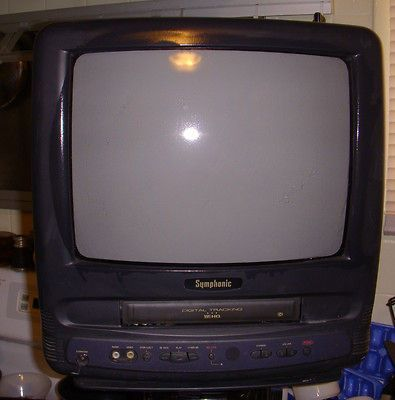
Consumers have more freedom when purchasing physical media because it helps form their identity and signals permanent ownership. Not only are ownership and autonomy the reasons for the resurgence of physical media, but also nostalgia. When you look at VHS tapes, DVDs, CDs, and even flip phones, it often evokes memories of simpler times when we weren’t scrolling on social media or worrying about the next AI slop. This nostalgia has led some younger generations to fully embrace an analog lifestyle. They are not only collecting VHS tapes but also using CRT televisions. It looks like retro technology is becoming fashionable again, too.

The push to preserve physical media has also resulted in younger generations adopting an analog lifestyle. This has included making CRT TVs fashionable again.
But the most important reason behind the push to preserve physical media is that it safeguards film, music, and video game history. One factor that modern-day consumers also overlook is that the film libraries of streaming services are frequently incomplete and not permanent. People tend to forget that content can be removed at any time when licensing agreements expire or if a company shuts down. Additionally, streaming services will sometimes censor or alter content to meet market demands. In her 2025 opinion piece, "Physical Media Matters Even More in the Streaming Age," Jovanna Gallegos argues that while these changes may reflect positive social progress, they can also inadvertently erase historical context and artistic intent. When you own a physical copy, you’re allowed to watch said content in its original state.
I honestly couldn’t agree more with this statement, because it's true that physical media copies will sometimes contain more than one version of a film. For example, in 2002, Disney’s Beauty and the Beast would get a “platinum edition” DVD and VHS release. The DVD would contain three versions of the film, including the original theatrical version, the IMAX special edition with the “Human Again” sequence, and the work-in-progress version shown at the New York Film Festival. Other great examples are Alien, which had two versions of the film released on physical media, and Blade Runner, which had five. In comparison, when it comes to streaming, you're much less likely to find alternative versions of these films available.
We really took physical media for granted, because have we forgotten how cutting-edge DVDs were? Back in my day (yes, I know I sound like a boomer), we had DVDs with interactive moving menus and bonus features. I honestly think the bonus features are the best part, because they allow consumers educational context for how their favorite movie was made. Plus, some physical media releases would feature deleted scenes, audio commentaries, storyboards, and concept art. Besides the internet, you couldn’t find these anywhere else but the disc. I mean, which is better: getting film facts from directors and actors or a random YouTube short in your algorithm? You decide.

In this digital landscape we are currently living in, convenience has replaced control and ownership. And as a result, we’ve unwittingly handed corporations the choice of what stays available and what leaves the platform. It’s become easier for a movie to disappear overnight, a game to be delisted, and an entire library to be unplayable because of a server shutdown. When modern consumers purchase digital media, they are basically purchasing permission to access, for as long as the company allows it. All the while, physical media continues to be seen as a relic of the past. But does this really spell the end of physical media?
I think it’s safe to say that physical media isn’t dead, yet. If anything, business moves like Sony’s are only strengthening the movement to preserve it. And younger generations, like Gen Z, are the ones filling record stores and actively thrifting DVDs or VHS tapes. Heck, Target, out of all retailers, is selling vinyl records. We also have to note the rise of “boutique” labels, which refers to independent home media distributors specializing in high-quality film restorations, special bonus features, and collector packaging. Examples include: The Criterion Collection, Vinegar Syndrome, Shout! Factory, and Kino Lorber. Unlike major companies, these labels see the value in preserving physical media and have remained the gold standard for film preservation ever since.
In conclusion, while major corporations like Sony and Disney are moving away from producing physical discs, this does not necessarily mean that physical media is dying. Instead, it suggests that the baton is being passed from one generation to another. While we may never know if physical media will gain the upper hand against streaming, one thing is clear: physical media is not dead; it has simply found a new place in our lives.
Sources
Bakhtiari, K. (2026, June 14). Why Gen Z is bringing back physical media. Forbes. https://www.forbes.com/sites/kianbakhtiari/2026/06/14/why-gen-z-is-bringing-back-physical-media/
Boggs, J. (2026, July 7). Sony faces backlash over plan to end physical PlayStation discs. Scripps News. https://www.scrippsnews.com/science-and-tech/sony-faces-backlash-over-plan-to-end-physical-playstation-discs
Gallegos, J. (2025). Physical media matters even more in the streaming age. In The Michigan Daily. https://www.michigandaily.com/opinion/physical-media-matters-even-more-in-the-streaming-age/
Zappavigna, A. (2019, March 9). Disney seals the ‘vault’ forever. news.com.au — Australia’s leading news site for latest headlines. News.Com.Au. https://www.news.com.au/technology/home-entertainment/tv/disney-to-close-its-vault-for-good/news-story/9a154fbf6bbb6b2806e62663977891cd

0 Comments
There are no comments yet. Be the first one to post one!