
Worn in Translation: How immigrants influence fashion trends
By: Veridiana Gordilho
We are constantly telling a story, and most of the time we do it with our clothes. That coffee stain on your shirt doesn’t just show what you drank; it also reveals how you’re trying to push past your sleep. Those mismatched socks you’re wearing? We all know your dryer stole one of the pair. We’re always thinking about what your clothes say about you, but we rarely question where they came from in the first place.

Everyone carries their own essence, along with the spirit of the place where they were born and raised. This makes the “American style” a product of people arriving, adapting, working, and expressing identity through clothing. Long before fashion trends had names, immigrants were already shaping silhouettes, fabrics, and aesthetics that still define how the U.S. dresses today.
In the late 1800s, millions of immigrants arrived in the United States seeking opportunity, often finding work in physically demanding industries such as railroads, factories, and mining. Clothing during this period was not about fashion but about comfortable performance, making durable fabrics, reinforced seams, denim pants, and sturdy work shirts something essential. These pieces eventually formed the foundation of what we now recognize as American workwear. What began as functional clothing worn by immigrant laborers later evolved into a fashion identity embraced by mainstream culture and modern streetwear. Denim, which was once purely practical, became symbolic and one of the longest-lasting fashion trends.
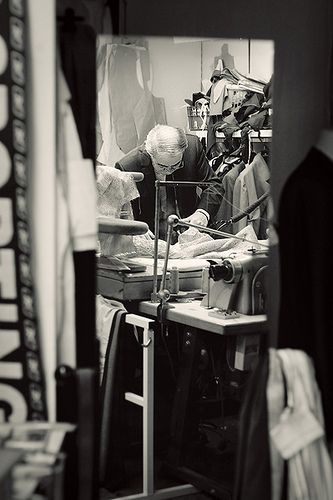
Mid-century immigration brought a new relationship to clothing. With their arrival, Italian immigrants introduced a deep appreciation for tailoring, craftsmanship, and fit into U.S. fashion. American menswear, which was once considered to have a more rigid structure, became more soft by its new slimmer cuts, fluid silhouettes, and a focus on how clothing moves with the body. This shift helped redefine elegance in American fashion, influencing everything from classic suits to modern luxury streetwear. All of those tailored suits you see on the red carpet? 100% influenced by Italian immigrants.
By the 1960s and 1970s, growing Latin American and Caribbean communities introduced fashion rooted in music, movement, and expression. Bright colors, body-conscious silhouettes, bandanas, boots, and reworked denim became visible markers of identity in urban spaces. These styles were often dismissed as “street” or “counterculture,” yet they would later shape mainstream trends in music, nightlife, and youth fashion. Today, we can see them in animal prints, jorts, and crop tops, something we can easily spot every day in every moment.
Today, fashion has become a language that reflects migration, memory, and individuality. American style no longer belongs to one aesthetic or narrative. It evolves every time someone brings their story into the mix.
Fashion trends are shaped by immigrant influence, making them a constant work in progress. Yet the hands that made many of these styles iconic often go unacknowledged. Fashion remains an ongoing conversation, shaped by movement, labor, and creativity, and continues to evolve with every generation.
0 Comments
There are no comments yet. Be the first one to post one!