
Read This If “Anime” Makes You Cringe. By Jasmine Chen
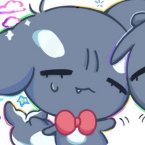
Behind the cringe and toxic fandoms lies a world of storytelling and artistry that continues to ignite and inspire the community.
It’s easy to laugh at something because the internet is laughing at it too. Anime, for the longest time, has been one of those things– dismissed as weird, childish, or even embarrassing by both people who have never watched anime and those who are actively part of the community. Behind stereotypes of toxic fandoms and internet cringe lies a medium filled with breathtaking art, compelling storytelling, and communities built by people who dedicate their lives to creating it. Artists pour hundreds, if not thousands, of hours into creating intangible and tangible art to bring their worlds into reality.
An Introduction To Anime and Its Fandoms
Anime is a medium, not a genre. Similarly to your most beloved TV series, anime carries a unique visual language of exaggerated emotion, symbolism, color, and music. Through these elements, they explore a multitude of themes ranging from comedy and romance to grief and tragedy. Each anime series and movie carry their own identity, sharing artists’ vision of the world. And so to dismiss anime entirely would be an invalidation of heartfelt human creation.
Contrary to popular beliefs, anime communities are built around creativity and appreciation, not a contest of who has the better taste, nor who interprets the plot more correctly. However, this criticism doesn’t come from nowhere. Like any established fandom, anime has its toxic corners, as seen in online arguments, harassment, and certain fans who create an uncomfortable space for others.
“At FanimeCon, cosplayers sold ‘foot juice’ for $5-$10 a swig, with some even offering ‘spit’ for $30-$100, raising health concerns,” Youtuber Technickels comments about a recent incident in late May this year.
Fair. Some spaces within the community haven’t painted the prettiest picture for anime, but this shouldn’t define the entire community. At the end of the day, communities form when people who enjoy the same things come together to share their appreciation, and so the conversation shifts to: where can people find the parts of the community that are genuinely welcoming?
Knowing Where To Look
For most people just getting into anime, they look to social media like Instagram and TikTok for related content about shows they are just getting into or recommendations. While this is a great place to start, it's not the best to stay in.
There are only three places in the world where comment sections feel more like a full-scale debate rather than casual conversation: Twitter/X, Instagram, and TikTok. It doesn’t matter if it’s about cooking or animals or dancing videos; every comment section will have a battleground section, and anime is no exception.
A better place to meet people who truly care is at conventions, and it’s not just the large annual conventions like AnimeCon. There are constantly small communities hosting meet-ups online to cosplay and talk about shows together. Popular places where people organize these events are Reddit, WeChat, Line, and through friends!
Joining a fandom is more about making something because a story mattered enough to stick with you. It’s not about proving who the “real” fan is, nor who can draw or cosplay the best. While there are people celebrated within the community for their unique talents in portraying anime in their own light, that isn’t to say that only perfection is allowed. Each individual bears their own unique ideas, which is what makes these smaller communities so special. They are places where people who truly love anime come together for heartwarming or lively conversations about the things that they love.
Meet Meikyuk

One of my dearest friends, Hannah, also known as Meikyuk online, showed me the good and the bad within online communities, specifically in Alien Stage. Alien Stage is a collection of sci-fi- dystopian-themed animated music videos created by VIVINOS and QMENG, and produced by STUDIO LICO. The riveting storytelling has generated millions of views, sparking interest all around the world. Hannah is one of their fans, creating digital fan art of two of the characters featured as a part of the series, Ivan and Till. To learn more, be sure to check out her Twitter.
From fighting over “ships” to debating which character suffered the most, the back and forths are endless. However, it is that passion which keeps the community alive, especially in this community that is filled with people who genuinely want to discuss these topics. Rather than focusing on the toxic parts of the community, Hannah uses social media to simply post works that she personally enjoys and looks directly to other artists for inspiration.
Hannah’s works are not just about drawing characters, but it’s also about participating in a community where people respond to stories by creating more art, and therefore more conversation. She found the community for her and stuck with it. In her art, she incorporates many colorful and vibrant colors to express a wide range of moods, from expressive and dramatic to delicate and soft. She captures not only the characters themselves but the feelings that drew fans into the fandom in the first place.
Just around two months ago, Hannah attended her largest convention as an artist in the Artist Alley sector. Throughout the experiences, she had the opportunity to bond with other artists and fans, sharing her work and supporting the work of others’.
“It was one of my dreams to table at Artist Alley so no matter the profit, I really appreciated the experience. It's kind of surreal to know people love your art and are willing to purchase since imposter syndrome can be strong,” Hannah said.
Conventions like these serve the community by giving independent artists a place to be seen– not by algorithms, but by real people. Their strict no-AI policies push talented artists to come into the light and showcase their works to people who care. Moments like these highlight why fan spaces matter.
Fan Art is Real Art
To people outside of the anime community, fan art may seem less legitimate for the reason that it is based on existing characters. People may interpret this as “lacking creativity,” but what it is really an interpretation and emotional response to the media. Fan art acts as a visual form of the personal attachment that the artist holds for the 
media, and this is what keeps stories alive after the show ends. Fan art is far from secondary, as it may begin with existing characters, but ends with personal interpretations and the unique feelings that the artist holds for them. Artists like Hannah are expanding the story, not simply replicating it. She adds, “ Ivan and Till became my favorites as I felt I kinned Ivan and felt sorry for him. With a doomed storyline, it felt nice to create my own art of them being happy together. “
Why Bother Looking?
As with all communities and fandoms, the anime fandom is not perfect and will never be. What matters is that beyond the stigma and stereotypes that are associated with anime, there is a world of people creating, sharing, and constantly showing love for the art being created. Just because anime is animated and seen as child-like, that doesn’t stop the late-night fan theories and cosplays from emerging.
When your only perception of a piece of media is what you can find online at first glance, then you’re not seeing the full picture. If you ever find yourself getting bored of scrolling through your phone or searching for a new show to watch, maybe this is your chance to expose yourself to something new. You might find that anime is not as strange or inaccessible as it seems – you just need to move past the stigma and know where to look.
0 Comments
There are no comments yet. Be the first one to post one!