
The Return of the Corset: Structure, Power, and Beauty By Julia Vilardi
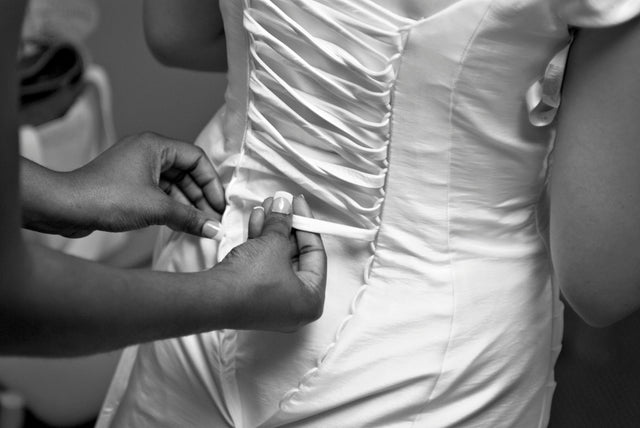

From grand ballrooms to dimly lit bars, what for centuries was used for suffocation and control is now seen as a casual night-out piece. The corset comes back to fashion in the 2020s not as a hidden structure, but as a piece on its own. With a turbulent past, the garment often depicted as torturous and oppressive, as it was made to be, has returned as empowerment. But how exactly did the most controversial garment in fashion history become cool again?
The corset was not invented by a single designer, but evolved over the centuries in European courts before becoming a defining structure of 19th-century fashion. The famous hourglass shape was worn by most middle- and upper-class women. The structure was composed of whalebone, cording, or later steel boning. The hourglass silhouette was not only about tiny waists, but also supported the bust, smoothed the torso, improved posture, and helped heavy skirts hang properly. Despite the reputation we place on the garment, in the past it was considered a technological piece of body engineering, highly functional for the standards of the period.
There is, however, a duality in corsets. On one hand they were a sign of modesty, moral virtue, and controlled femininity, enforcing standards for a narrow waist and serving as a tool to restrict movement. On the other hand, extreme tight-lacing was not the universal standard. Women wore them comfortably, allowing them to move, work, and even horseback riding. Working-class women often wore more flexible versions. Even if they were not active torture devices, they did normalize shaping the body to fit an idea and affirmed gender expectations.
The corset disappeared with the turn of the century as looser silhouettes rose in fashion, only returning in the 80s and 90s. Designers such as Vivienne Westwood reimagined historical garments as punk and political pieces. Jean Paul Gaultier also helped revive the corset, transforming it into pop-icon armor and originating Madonna's unforgettable cone bra look.
Its resurgence in the 2020s, however, feels different. While some point to celebrity influence and red carpet moments, others consider the impact of TikTok trends such as cottagecore, which romanticizes pastoral nostalgia and vintage femininity. Period dramas such as Bridgerton have also reignited fascination with Regency-era silhouettes. Perhaps the truth is a combination of all these themes, blending nostalgia and spectacle in the digital age.
Still, the return of the corset raises a deeper question: what does its popularity say about contemporary beauty standards? A garment that represents so much of its time cannot have returned so coincidentally. If so much of past society can be understood through those lacy mechanisms, it is worth wondering whether the casual use of corsets today is only a matter of empowerment and nothing else.

0 Comments
There are no comments yet. Be the first one to post one!