
The Work Isn’t Everything: What Galleries Are Really Looking For By Georgia Stewart
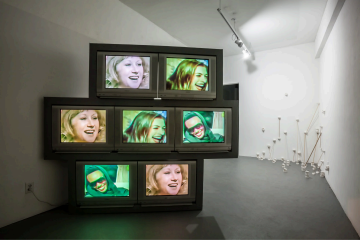
It’s easy to assume that in the art world, a good and interesting artwork will rise to the top. After speaking with Tracy Midulla, founder and director of Tempus Projects, and Mitzi Gordon, exhibitions and programs manager, it became clear that talent alone does not determine success. Tempus Projects is a gallery and non-profit organization based in Tampa, Florida. Physically situated inside Kress Contemporary, an artist and community collective, Tempus Projects uplifts and exhibits established and emerging artists. When I started my conversation with Tracy and Mitzi, we had planned to discuss value, pricing, and how they choose artists for their exhibitions, yet it kept shifting to the importance of artists' professionalism in spaces like Tempus Projects. With Tracy and Mitzi actively selecting and working with artists, their perspective shows that success depends on much more than just the artwork; it happens through a collaborative effort, making professionalism, relationships, and market awareness essential.

Open calls are one of the most common ways that Mitzi and Tracy find new artists for their exhibitions. Often announced through their website, social media, and mailing list, and requiring a submission process, open calls are not only an opportunity for artists to showcase their work but also to demonstrate their professionalism. Through submissions, artists are required to follow instructions, meet deadlines, and communicate effectively. Galleries assess not only the work itself, but also how an artist works. When multiple artists are involved in a group exhibition and the gallery is responsible for the outcome, reliability becomes heavily important. Strong work isn't enough when an artist is difficult to work with. Galleries don't want, or have the time, to carry artists through the process. Tracy has been running a gallery space for 17 years, and she has
seen many artists with great work who just weren't professional, while also working with many artists who were great at navigating the system.
Beyond professionalism, relationships and exposure are also very important. The selection process isn’t random or purely merit-based. Oftentimes, even when artists aren't chosen for a show they submitted to, Tracy and Mitzi keep them on their radar and will reach out for a later exhibition that seems to be a better fit. They will also invite artists to be involved in an exhibition or event by learning about them through other shows, recommendations, or through their prior awareness of them. Engaging in the arts community and being seen repeatedly allows artists to be remembered. Tracy described how she will find herself at a show and say, “Oh, that's the one” when viewing a piece.

When working with artists on pricing for an exhibition, Tracy and Mitzi tend to leave a lot of freedom to the artist. Artists usually set their initial price, and then the gallery will recommend adjustments as needed. Value and price can be difficult to define because of their subjectivity. There are many factors, such as the time it takes to create an artwork, the materials used, the artist's career stage, and the artist’s collector base. Through Tracy’s experience, she has found that many artists, especially emerging ones, tend to undervalue their work. At the same time, some artists may form an emotional connection to their work and overvalue it. In a space like Tempus Projects, the goal is to sell the work and make a reasonable profit. If the price is too high, it becomes unlikely that a piece will sell, and if it's too low, it raises the question of whether going through the process of showing the art is even worth it for either party. Pricing can be challenging and often just takes time for artists to learn and develop. While Tracy and Mitzi would never force or pressure a specific price on an artwork, they encourage and enjoy a collaborative approach to the question.

Emerging artists often enter gallery spaces without understanding how they operate professionally and within the market. Tracy explained that she is very open to the fact and actually expects that an emerging artist would not be completely familiar with these systems. She even expressed that she has some flexibility regarding an emerging artist's professionalism, questioning whether it's something that can be learned or is part of their innate personality. However, one challenge Mitzi and Tracy have frequently encountered is that their work may closely resemble the artists and influences they are studying, making it difficult to stand out. Willingness to take feedback and collaborate is essential for success in a gallery space. Developing professional habits cannot be separated from becoming an artist; it is a fundamental part of building a sustainable career.
The inner perspectives of the gallery space reveal that it takes more than just talent to become a successful artist. Getting involved and establishing connections can help an artist be seen and remembered, and being professional and respectful can help an artist gain support. The art world is both creative and business-oriented, and understanding how to navigate its professional systems is essential to building a career.

Tempus Projects website: https://www.tempus-projects.com/
Kress Contemporary website: https://www.kresscontemporary.com/

0 Comments
There are no comments yet. Be the first one to post one!