
AI Is Changing How Art Feels Human by Georgia Stewart
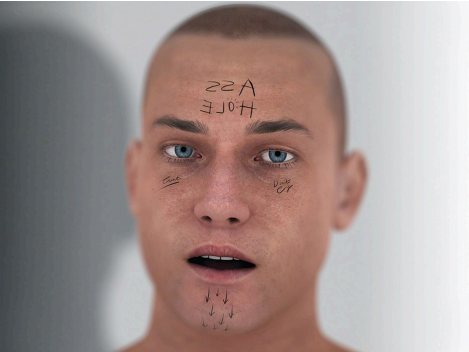

As models develop and improve, it has become increasingly difficult to distinguish an AI-generated image from something real. Along with creating ethical and economic anxiety, this shift has changed the way people create and respond to art. In the era of post-AI art, viewers are increasingly drawn toward artworks that emphasize raw human presence rather than aesthetic perfection. It seems that ideas about authenticity, value, and artistic presence are changing in this movement.

Ed Atkins, Us Dead Talk Love, 2012
Polished and perfected styles previously have signaled high artistic skill, mastery, professionalism, and labor. However, the rise of AI has disrupted this correlation, as highly rendered, visually “perfect”, hyper-specific imagery can be created almost instantly. Technical perfection no longer signals artistic skill and human effort. Maybe qualities once viewed as flaws can now feel emotionally valuable because they suggest human activity. It's not that audiences are seeking imperfection itself, but signs of process, labor, and lived experience. It may be that mistakes can now feel more expressive, emotional, and intimate than before, and in ways that synthetic, visually “perfect” imagery cannot convey.

Tau Lewis, Venus in Pisces, 2025
It is important to note that AI-generated imagery, too, is not always perfect. This can be seen in distorted bodies, extra fingers, uncanny faces, and impossible spaces. However, these imperfections are interpreted differently from human mistakes, as they feel uncanny rather than embodied. It is as if someone were drawing a human solely from description and images, without
ever being in the presence of one. This reminded me of Ancient and Medieval depictions of animals that the artists had clearly never seen in real life, but had only been described to them. These depictions are recognizable through defining features, but they still show an obvious lack of lived experience. AI works in a similar way, constructing images based on statistics and visual patterns that often look recognizable but not quite right. AI imitates visual language without ever experiencing physical life, which makes the imagery look a bit unsettling. Viewers increasingly seek imperfections that feel emotional and human rather than mechanically generated.

Jacob van Maerlant, The Angry Snail, c. 1350
Because of developments in AI-generated imagery, artists may even feel they now have to perform humanity in response to growing anxieties about this automation. The creative process has been emphasized, and documentation of it has increased, along with visual labor, handmade aesthetics, and tactile materials. Visible labor may now be more essential to an artwork's meaning and value rather than being hidden behind the finished product. Evidence of time and labor now becomes proof that a human was behind an artwork. Artists may now feel inclined to leave behind traces of imperfection and human process to distinguish human-made work from static synthetic imagery.

Igshaan Adams, Open Production, 2020
AI has raised numerous ethical issues and anxieties in the art world, including copyright disputes, data scraping, artistic exploitation, and job losses in creative fields. These ethical concerns create a growing cultural value for handmade work, in which the human hand is legible. It also seems that human time and effort have become increasingly scarce or overshadowed because of the ease and volume with which synthetic, sometimes visually “flawless” imagery can be produced. Viewers may increasingly associate imperfections and the visual process with authenticity, care, and individuality, and associate visual perfection with automation.
AI is not only changing how images are produced but also the ways humans create, perceive, and value art. With the rise of synthetic imagery and art, viewers may increasingly seek out artworks that show evidence of human embodied experience, something that AI could never truly replicate. As synthetic imagery has become harder to recognize, contemporary art may move toward more imperfect, yet experienced forms and artworks that hold a strong or tactile physical presence. AI may continue to imitate visual language, but it cannot truly replicate the lived human experience, perception, and emotion that give much art its meaning and impact.

0 Comments
There are no comments yet. Be the first one to post one!