
Overconsumption and Hyperpop By Kathryn Isabel Cook
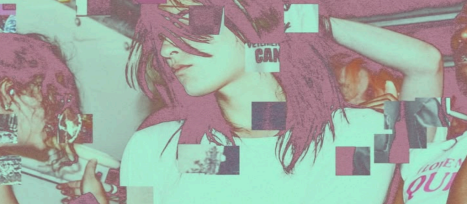

We have all heard of the overconsumption epidemic. We have seen the fast-fashion hauls on social media, and then a year later we saw those same pieces in the thrift store. Overconsumption is a nation-wide compulsive behavior. It hijacks the brain's reward system, flooding it with dopamine. In turn, this leads to a dopamine deficit, and the need to consume more. This addiction to dopamine can be observed in many modern facets of life— food waste, doom scrolling, video game addiction, etc. But how does this cultural epidemic relate to the music that we listen to?

It is well known that the media we consume and the clothes we wear are a reflection of the realities of our society. Taking a closer look at our expression of self can lend us a deeper read into our own collective psyche. Is it a coincidence that hyperpop—a maximalist, highly stimulating genre of music— gained popularity while fast fashion simultaneously became more and more accessible? Studies show that people today take in vastly more information daily than previous generations. Most of the mass amounts of information we consume are from smartphones, computers, and television. Overconsumption of information shrinks the human attention span. It conditions the brain to crave rapid, dopamine-driven rewards from short-form content and easy online shopping. Our addiction to consuming mass amounts of information at once has to be fed by current trends. When fashion trends come and go in the blink of an eye, we see a direct reflection in the music that we listen to.
Hyperpop is an audible manifestation of a shrunken attention span. There is a reason why older generations don’t have the same affinity towards the overstimulating style of music. In the 1970s, the mellow rock mimicked the laid back culture. In the 80s, pop artists like Madonna expressed high energy and female sexuality. In the early 2000s, music from artists like Britney Spears and Usher reflected the clubbing culture of the time. Now, artists like Charlie XCX, 100 gecs, Slayyyter, 2hollis, and Underscores represent an age of information and digital life.
Hyperpop is an art like any form of music. Music is historically an expression and coping mechanism for the things we endure societally. It turns disorder into a sense of community. There is a huge rise in electronic music festivals, concerts, and artists for a reason—and the fashion follows. Both hyperpop and fast fashion are results of the social media centric world we live in. When music, fashion, and culture are rapidly changing to keep up with our attention spans, we experience an abundance of art. It is important to be conscious of how we consume art, especially in the form of fashion. Buying mass amounts of clothing from unethical companies is an after effect of information abundance. Rather than chasing trends, it is much more fruitful to get to know ourselves and what we truly like. Acquiring diverse, quality pieces through thrifting and sustainable fashion awards your wardrobe longevity and flexibility for whatever your style may evolve into. Music and fashion are both consumable art forms, and it is crucial to be mindful of the ways that we consume them, whether that means supporting small artists or shopping at your local thrift store— It is possible to embrace rapid change while staying sustainable.
0 Comments
There are no comments yet. Be the first one to post one!