
Sofia Coppola and the Style of the Sad Girl By Natalie Pool
By Natalie Pool
Sofia Coppola’s rocky start to her filmmaking career as Mary Corleone in her father’s film, The Godfather Part III, only gave her more reason to prove herself as an artist to those who tore her down. She spent the better part of her 20s as a model and fashion photographer alongside her skaterboy husband, Spike Jonze. The two created music videos for popular bands like The Chemical Brothers and were among the most iconic couples of the 1990s, purely due to their unmatched style and swagger.

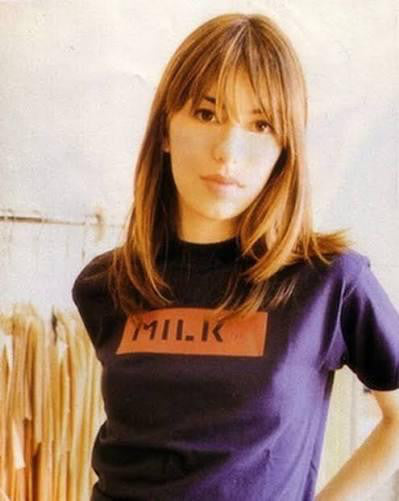
Coppola’s name, although associated with cinema, is often brought up in the fashion industry, as she is closely linked to high-end brands such as Chanel and has a close relationship with designer Marc Jacobs, around whom she created the documentary Marc by Sofia. Her brand, Milkfed, gained significant traction in Japan in the 90s for its “it-girl” style. Sofia, while known for her films, integrates her history with fashion beautifully into her cinematic works, using it as a storytelling device to evoke the emotions of solitude, loneliness, loss of control, freedom, and personal growth.

Her directorial debut short, Lick The Star, is 14 minutes of pure middle school antics as a group of seventh-grade girls plots to kill boys using rat poison. The style of the queen bee, Chloe, is almost awkwardly mature, as her entrance into the film is her walking down the halls in a white button-up, a lace skirt, and Mary Janes, clutching a cheetah-print purse. The outfit almost resembles something she stole from her mom’s closet and assumed it would work well together, and surprisingly, it kind of does. As we get a closer look at her, her makeup is heavy, and she’s even wearing a simple tiara, almost as an ode to her childhood that she is actively retreating from. Later in the film, the other girls in the group begin to dress up to the same level of maturity as Chloe, influenced by her fear of being excluded from their top-secret plan. The wardrobes of these girls are tied to their status at school and serve as the ultimate symbol of their maturity and of how easily they worship their “Queen Bee.”

The Virgin Suicides is Coppola’s debut feature, which premiered at the Cannes Film Festival in 1999. The story of five sisters trapped in their overbearing mother’s house, watched by neighbor boys, is the perfect opportunity to convey solitude and emotional claustrophobia through costume choices. One of the most iconic costumes from this film is the girls’ homecoming dresses. The homemade, simple, modest, and floral gowns set the scene for how the girls’ lives really are: relatively monotonous, with little moments of wonder and even less freedom. The dichotomy between the girls and their classmates at the dance truly shows how out of place they seem, yet they are the center of attention for the boys because of the mystery and beauty they evoke with every breath. It might seem redundant, but the way the girls dress at the homecoming dance only draws them more attention from boys seeking their gaze. Outside that world of fantasy, the girls are not allowed to indulge in normal teenage activities, or at least not in a normal setting, as we see through these dresses. They have homecoming dresses, which, to them, is a victory, but they are out of the ordinary for other teenagers who wear much more scandalous outfits to the dance. This iconic look reflects how much the little things mean to the girls and how little freedom they have just to be themselves.

One of Coppola’s films in which the wardrobe is not discussed enough is Lost In Translation, which follows a woman stuck in a marriage and at a loss for herself, and a famous actor who has found himself in a rut not only in his career but in his personal life as well. The two meet in Tokyo while on separate trips, and it becomes a story about finding someone who truly understands you and your struggles. The most pivotal sequence in this film is when the characters, Charlotte and Bob, go out for the night. Charlotte rocks a pink wig, and Bob is wearing an orange camouflage shirt completely inside out. While these choices seem odd and unconventional, they represent people who are finally finding themselves outside what has defined them during the most transformative years of their lives. During this sequence, we see the characters completely break out of their shells, and we feel the sense of freedom they feel. Their outfits are attributing factors to this liberation of self as they are finally expressing who they are without the eyes of others judging them, in this case, that would be Charlotte’s husband and Bob’s fans, management, and family. They are morphing into completely different people, and the absurdity of their costumes only just shows how odd it may look to the people around them, but for them, it’s the way they’ve always felt; they just haven’t been able to unlock this part of themselves.

Sofia’s most recent feature film, Priscilla, follows the story of the iconic wife of Elvis Presley from the moment she meets him at age 14 to the moment she leaves him over a decade later. This film pretty much encapsulates Sofia’s style and aesthetic, as it is the story of a girl living a seemingly fairy-tale life. Still, in reality, she is living behind a facade and in complete solitude. The shift between Priscilla as a teenager and when she leaves Elvis is drastic and telling of her character. We meet her in a sailor dress, fit for the time and her age, as she is just barely a high schooler still trying to find her sense of style. It’s feminine and still a little childish, as she starts to leave her childhood behind. When she officially becomes Elvis’s girlfriend and then wife, she becomes his doll, wearing high-end outfits mostly consisting of dresses, after Elvis’s approval. As we move into the later years and Priscilla is beginning to find herself, we see her wear pants around him for the first time, signaling her independence from him. Her outfits are no longer in line with the style Elvis is known for; they have died down a bit as Priscilla has stepped away from the spotlight now that she is a mother and is working on herself outside Elvis’s career. The progression of Priscilla’s style is the most telling sign of where she is in her relationship with Elvis and with herself, and it serves as a visual cue for her own journey of self-discovery.
Sofia Coppola, while known for her filmmaking, knows how to properly portray a character’s journey through their costumes and style. She perfectly captures how characters navigate stories of loneliness, heartbreak, self-discovery, and the pursuit of freedom through their clothing choices. This is evident throughout her filmography and can be traced back to her roots as a fashion designer and curator in the years leading up to and during her career. With her understanding of fashion and cinema, she uses fashion as a storytelling device that we may not see in other filmmakers today. Fashion in cinema may just be seen as the clothes on a character’s body, but it is so much more when you add the fact that the clothes we wear often tell of our emotions and feelings in that moment.

0 Comments
There are no comments yet. Be the first one to post one!