
The Homemade Glamour of the 1930s by Ava DeLaOssa
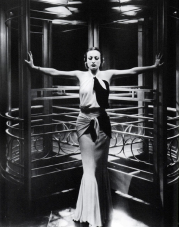

The jump from fashion in the 1920s to the 1930s was huge. Going from fun and lively dropped-waist flapper dresses to the somber mood of the 1930s created a low shift in fashion. Due to the Great Depression and the outbreak of World War II, women's clothing changed in order to better fit the economic hardship. Even though economic struggles impacted women’s fashion, it happened to be one of the most innovative and elegant fashion periods in the 20th century. 1930s style was not just about surviving, but it was a return to classic femininity, the birth of Hollywood glamour, and working around the high costs of materials.
The first major shift of the decade was very structural. The boyish and boxy, flapper look was out and in came the silhouette that celebrated women;s natural curves. Hemlines were dropped to the mid-calf for day wear and then touched the floor for the evenings. The defining look of the 1930s was long, lean, and romantic. Waistlines returned to their natural positions and were often emphasized with thin belts. Broad shoulders began to come into style which was started by the designer Elsa Schiaparelli. Actress Joan Crawford helped to popularize this style using small pads, ruffles, or puff sleeves in order to create the illusion of a narrower waist. The look for women was balanced and graceful.

Because of the Great Depression, fashion houses and everyday women had to become more creative with their clothing. The French designer Madeleine Vionnet popularized a new fabric cut, the bias cut. By cutting fabric diagonally across the grain rather than straight, the material was able to gain a natural elasticity. This cut allowed dresses to cling to the body’s curves and drape effortlessly without relying on expensive tailoring.

For the average woman, resourcefulness became an art form. Many women could not afford fabrics like silk or satin and so they turned to new synthetic fabrics like rayon or structured cotton. Alongside the introduction of new synthetic fabrics, zippers improved, making them cheaper and allowing them to be hidden side zippers in order to replace expensive button closures. Pattern companies also began to flood the market, allowing women to recreate high-fashion looks at home using affordable textiles.
During the day, clothing was practical and modest, but in the evening, it shifted to look straight out of the movies. Millions of people went to the movies in order to forget about their economic troubles and therefore stars like Jean Harlow, Marlene Dietrich, and Carole Lombard set the standards for nighttime elegant looks. Evening gowns became backless, sleek, and spilled over the body. These dresses were made of shimmering satins, metallic lamés, and velvet. This era of formal wear consisted of exposed backs and high necklines, creating a new idea of sophistication.

The 1930s not only birthed a new nighttime look for women, but modern sportswear. Women began to adopt trousers, beach pajamas which were long flowy pants, and divided skirts for leisure activities. These clothing pieces paved the way for the casual comfortable clothing we wear today.

1930s fashion not only set the tone for decades to come, but proved that constraint leads to creativity. By balancing the necessities of everyday living and the love for beauty and glamour, women of the 1930s established a timeless style that designers still copy a century later.

0 Comments
There are no comments yet. Be the first one to post one!